Linear Actuator Applications in Smart Furniture
How compact electric linear actuators power sofas, desks, beds and other smart furniture OEM projects.
Introduction
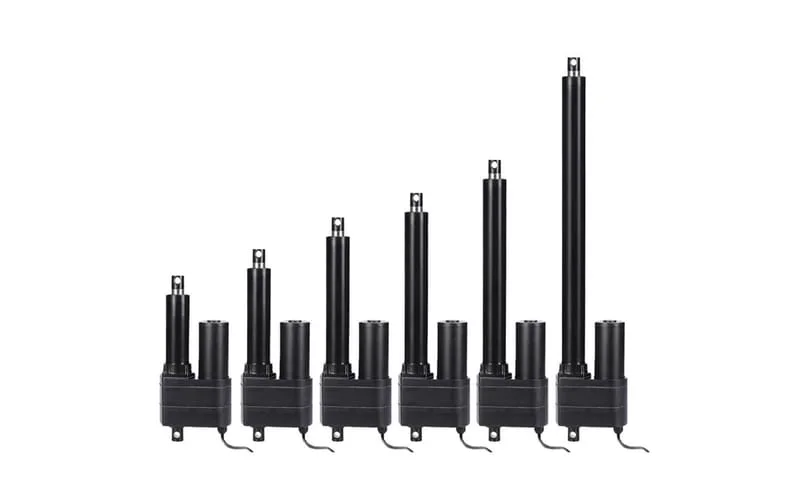
Smart furniture has moved from a niche upgrade to a mainstream product category. Buyers now expect quiet motion, reliable daily cycles, and clean integration inside sofas, desks, beds, and storage systems. Behind that experience is usually a compact electric linear actuator — a small electromechanical drive that converts the rotation of an electric motor into controlled push/pull travel.
For furniture OEMs and private-label brands, actuator selection is no longer a last-minute accessory choice. It affects comfort, noise, assembly time, warranty risk, and export compliance. As homes and offices adopt more powered adjustment features, demand continues to grow for miniature and mid-force linear actuators that fit tight frames without hydraulic plumbing. Compared with a traditional hydraulic pump system, electric actuators are cleaner, quieter, and easier to integrate with consumer electronics and handset controllers.
Global retail channels also push brands to differentiate. Two sofas may look similar until one offers smoother recline, quieter night-time bed adjustment, or a standing desk that stays level under uneven load. Those experiences are created by the motion package: actuator force curve, gearing, limit switches, and controller logic. This guide explains where linear actuators add value in smart furniture, which specifications matter most, and how Elerover helps OEM teams match stroke, load, voltage, and mounting to real mechanisms.
Typical Furniture Use Cases
- Electric sofas and recliners — smooth push/pull for footrests and backrests
- Height adjustable desks — controlled lift for ergonomic workstations
- Adjustable beds — quiet motion for head and foot sections
- Cabinet and storage systems — compact strokes for automated opening
- TV lifts and display modules — vertical travel in living-room furniture and meeting rooms
In each case, the actuator must disappear into the product architecture. End users should feel comfort, not hear a harsh gearbox or see exposed hardware. That is why furniture programs often start with compact series and then customize cables, connectors, and mounting brackets for factory assembly.
What Furniture OEMs Usually Specify
- Low operating noise for living and office environments
- Stable load capacity for daily cycles
- Compact retracted length for hidden installation
- Custom cable length and connectors for assembly lines
- Voltage compatibility with existing control boxes and handsets
- Predictable lead times for recurring wholesale orders
A practical RFQ usually includes mechanism drawings, target force at the worst-case lever arm, preferred stroke, available voltage, expected cycles per day, and annual volume. With those inputs, an engineering team can recommend a standard catalog model or a lightly customized derivative.
Key Advantages
- Clean electric motion — no oil lines or external hydraulic pump packages for most indoor furniture mechanisms
- Quiet daily comfort — compact actuators and gear motors tuned for living-room and office noise expectations
- Space-efficient packaging — short retracted lengths help hide the drive inside wood, metal, and upholstery frames
- OEM-friendly customization — voltage, stroke, connectors, and branding can follow private-label production needs
- Faster system integration — pair with handsets or synchronous controllers instead of complex hydraulic manifolds
Application Scenarios
In recliner platforms, a compact linear actuator extends the footrest while a second drive may adjust the back angle. Designers prioritize soft start/stop feel, consistent force through the stroke, and mounting that survives years of consumer use. Clevis-style ends are common when the mechanism already has pivot points; flange mounting becomes useful when the motor body must be bolted into a narrow channel.
For standing desks and workstation furniture, columns or dual-actuator kits must stay synchronized so the desktop remains level under uneven load. Here the actuator is only one part of the story: the controller, hall feedback, and duty-cycle rating decide whether the desk feels premium after months of daily use. Medical-adjacent home care beds use similar motion architecture, but with stricter expectations around noise at night, serviceability, and spare-part availability.
Cabinet and TV-lift furniture is another growing segment. Brands selling into apartments also care about shipping weight and packing volume, so miniature series such as SLA-T01 are attractive when force requirements stay in the light-to-medium range. Across these scenarios, Elerover supports both standard catalog models and customized variants for long-run OEM production, including options that pair cleanly with furniture control boxes and remote handsets.
Matching Elerover Products
For compact indoor projects, the SLA-T01 series and SLA-T01-M series are practical starting points. For flanged mounting in tighter frames, review SLA-T01-W. When a project needs higher force for larger mechanisms, Elerover can also guide you toward mid-force linear actuator families or synchronized controller packages.
Design Tip
Always confirm:
- Required stroke
- Retracted / extended installation distance
- Duty cycle and expected daily cycles
- Voltage available in the end product
- Mounting style (clevis, flange, or custom bracket)
- Noise target for the finished furniture SKU
If your mechanism uses a long lever arm, remember that actuator force at the rod is not the same as force felt at the user interface. Share linkage drawings early so load calculations stay realistic.
Conclusion
Smart furniture success depends on motion that feels premium and stays reliable after thousands of cycles. Choosing the right linear actuator, mounting style, and controller package early reduces redesign cost and protects brand reputation. If you are building a new furniture platform, contact Elerover with your mechanism drawings, target force, stroke, and annual volume. Our team can recommend a standard model or a customized OEM configuration for your next production run and help you move from sample approval to stable wholesale supply.
FAQ
Where are linear actuators used in smart furniture?
Typical uses include electric sofas and recliners, height-adjustable desks, adjustable beds, TV lifts, and compact cabinet or storage motion systems.
What specs do furniture OEMs usually request?
Furniture OEMs often specify low operating noise, stable daily-cycle load capacity, compact retracted length for hidden installation, and custom cable or connector options.
Which Elerover series is a good starting point for furniture projects?
For compact indoor furniture, start with the SLA-T01 or SLA-T01-M series. Choose SLA-T01-W when flanged mounting fits the frame better.
Do smart furniture actuators need waterproof ratings?
Most indoor furniture uses IP54-class actuators. Choose higher IP ratings only for outdoor furniture, humid bathrooms, or wash-down environments.
Can Elerover customize voltage and connectors for private-label brands?
Yes. OEM/ODM programs can specify 6V/12V/24V DC packages, cable length, plugs, feedback options, and branding for long-term production.
المزيد من المقالات

How an Electric Linear Actuator Adjusts an Unloading Auger Tippy Spout
Learn how an electric linear actuator can adjust an unloading auger tippy spout to improve grain discharge direction and trailer loading control.
قراءة المقال ←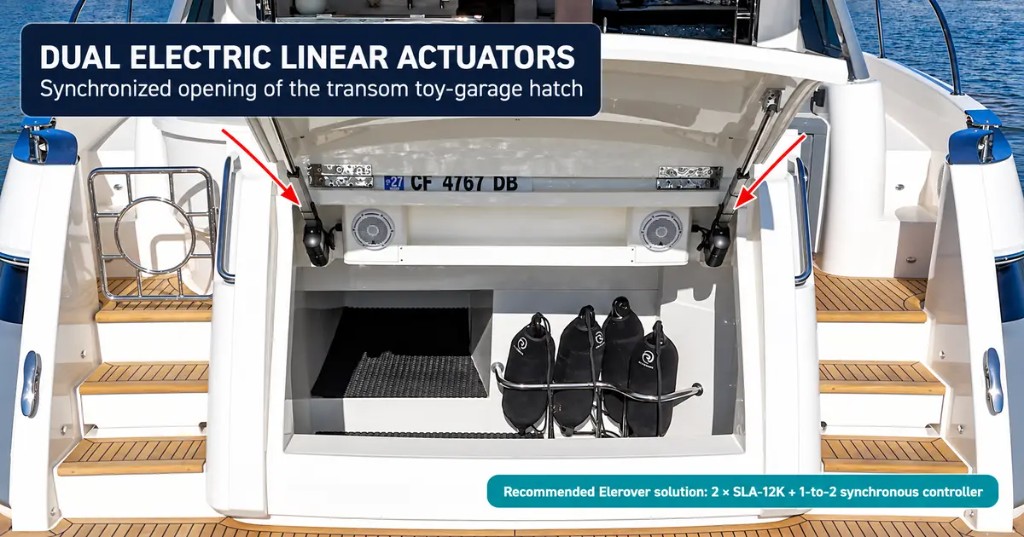
Dual Linear Actuators for Yacht Toy-Garage Hatches | SLA-12K
See how two synchronized electric linear actuators can open a yacht transom toy-garage hatch and how Elerover configures the SLA-12K system.
قراءة المقال ←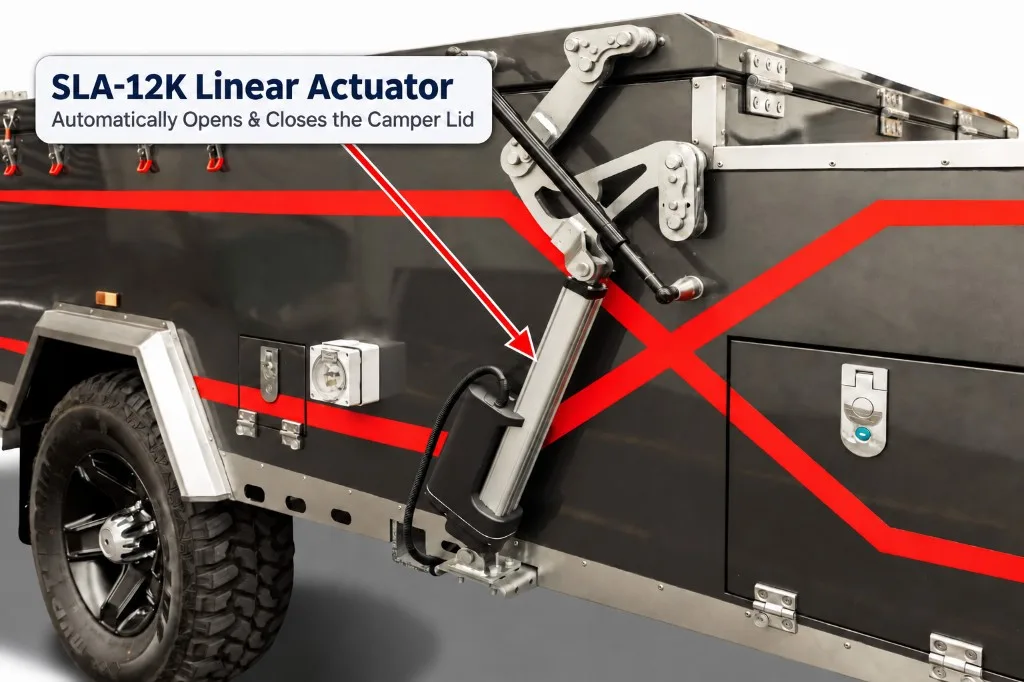
SLA-12K Linear Actuator for Automatic Camper Trailer Lids
See how a 12V or 24V SLA-12K heavy-duty linear actuator can automate the opening and closing of camper trailer lids and folding roof systems.
قراءة المقال ←